Ancient civilizations continue to fascinate. Despite rising and falling hundreds if not thousands of years ago, these cultures remain a mystery and help explain how the world developed into what it is today.
A timeline of ancient civilizations helps to map the growth of human society while also demonstrating how widespread civilization has been since the early days of humanity.
Whether it’s the Greeks, the Incans, the Indus River Civilization, the Australian Aboriginals, or any one of the other groups from our distant past, there is still so much to learn.
Table of Contents
The Incan Civilization (1438 A.D. – 1532 A.D.)
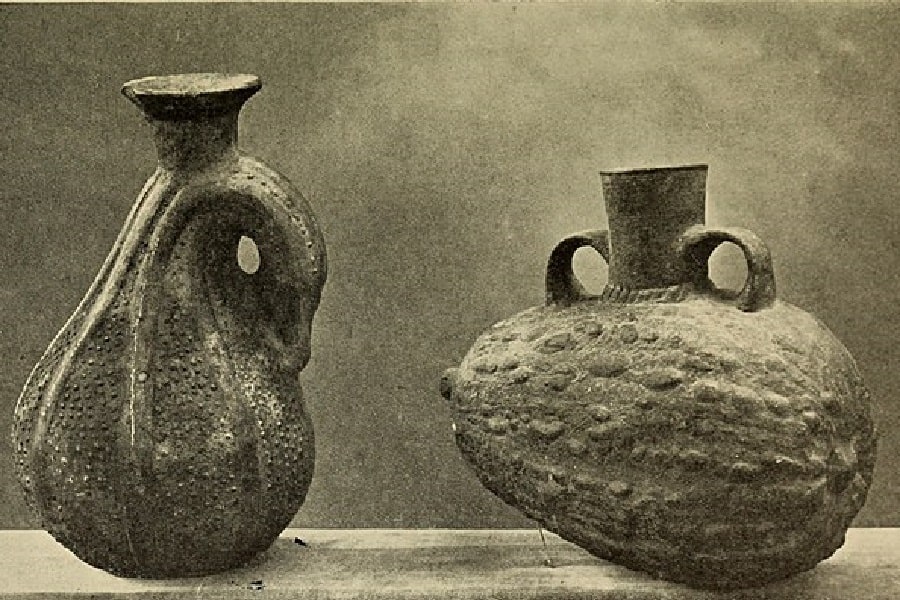
Period: 1438 A.D. – 1532 A.D.
Original Location: Ancient Peru
Current Location: Peru, Ecuador, Chile
Major Highlights: Machu Picchu, engineering excellence
Peru gives history nerds an amazing place to start. Between 1438 and 1532, the Inca people blossomed from a small tribe to being South America’s largest empire in the pre-Columbian era, and during its zenith, their borders even crept well into Ecuador and Chile.
This growth happened quickly, thanks to an unfortunate habit of the Inca — conquest. They adored eating up weaker cultures and they quickly became an unstoppable force.
The Inca are recognized as the geniuses who pieced Machu Picchu together, but they also did much more than that. Civilians enjoyed perks like freeze-dried foods and an effective mail system. Messengers used a mindblowing network of roads and if their durability is anything to go by, Incan engineers certainly gave their modern counterparts a run for their money.
The snaking lines were so decently built that several pathways survive today, still in excellent condition. Top-notch hydraulics also provided cities like Machu Picchu with stone fountains that brought fresh water from faraway springs.
But the Inca Empire’s thirst to conquer was ironic, as the day came when a stronger foe wanted their territory. The Spanish conquistadors that walked off of ships and onto South American soil brought with them a serious case of gold fever, as well as influenza and smallpox.
With the rampant spread of disease, countless died from infection and the nation was destabilized. And with that, civil war broke out. The Spanish used their superior weapons and strategies to steamroll over the fragile resistance that remained, and once the last emperor, Atahualpa, was executed, all that remained of the Inca was a page in history.
READ MORE: Pyramids in America
The Aztec Civilization (1325 A.D. – 1521 A.D.)
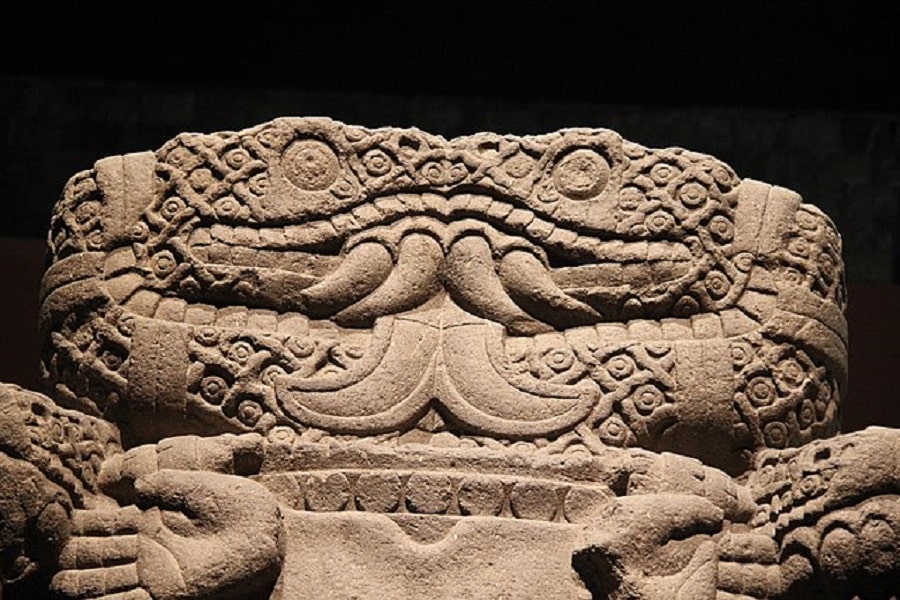
Period: 1325 A.D. – 1521 A.D.
Original Location: South-central Mexico
Current Location: Mexico
Major Highlights: Highly advanced and complex society
The birth of the Aztecs remains a mystery. Nobody knows for sure where they came from, but, ultimately, the Aztecs planted their flag in the south-central region of pre-Columbian Mexico.
In 1325, the ambitious tribe built the heart of their civilization: a stunning capital city called Tenochtitlan that stood steady until 1521 and still serves as the foundation for modern-day Mexico City.
If the Aztecs were a cricket team, they’d be all-rounders. Besides acing agriculture, art, and architecture, their political and military excellence won the Aztecs nearly 6 million subjects from 500 city-states — each consisted of its own territory, and many that were conquered paid a tribute that boosted the Aztecs’ wealth.
In addition, their economy was an ever-healthy beast; during a good day, Tenochtitlan’s marketplace bustled with the activity of 50,000 people looking for a bargain. Plus, if you know the words “coyote,” “chocolate” and “avocado,” then congratulations! You’re speaking Nahuatl, the major language of the Aztecs.
When the end came, it echoed sadly of the demise of the Incas. The Spanish arrived on ships in 1517 and sparked epidemics, battles, and death among the locals.
Led by the infamous Hernán Cortés, the conquistadors snowballed their numbers by enlisting the native enemies of the Aztecs and massacred people at Tenochtitlan.
The Aztec leader, Montezuma, died a suspicious death in custody, and not long after, the man’s nephew expelled the invaders. But Cortés returned again in 1521, and he tore Tenochtitlan to the ground, ending the Aztec civilization.
READ MORE: Aztec Empire and Aztec Gods
The Roman Civilization (753 B.C. – 476 A.D.)
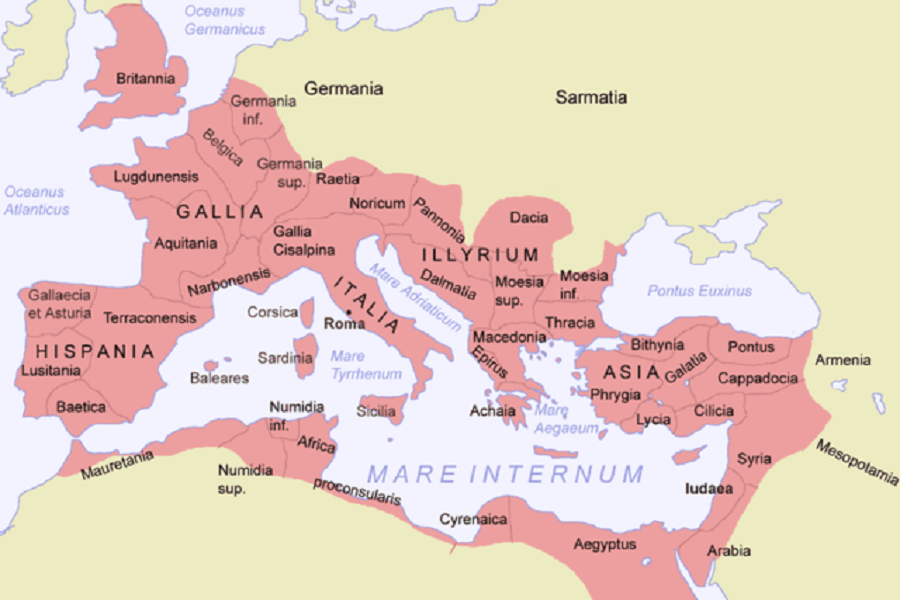
Period: 753 B.C. – 476 A.D.
Original location: The Tiber River in Italy
Current Location: Rome
Major Highlights: Monumental architecture
Traditionally considered to have been founded in 753 B.C., Rome’s beginnings were that of a modest village. The people who settled the banks of Italy’s Tiber River then exploded, growing into the most powerful ancient empire ever seen.
READ MORE: The founding of Rome
Through war and trading, the city’s footprint reached most of Northern Africa, Western Asia, Continental Europe, Britain, and the Mediterranean islands.
The culture is famous for its enduring monuments. Thanks to the use of special concrete as well as attention to detail, the Romans raised modern tourist magnets like the Colosseum and the Pantheon.
And when visitors check their calendar to book a visit or jot down their traveling details using the western alphabet, they’re also utilizing two of the greatest things that Roman civilization left behind as a lasting legacy.
But the Roman Empire crumbled, and not because a foreign horde stormed the gates — instead, the Roman upper crust fought over the crown until civil war broke out.
Sensing blood, Rome’s adversaries gathered and having to fight them off left the once incredibly wealthy culture broke. The final blow was brought to fruition due to the size of the empire. The many borders couldn’t all be defended, and the Germanic prince, Odovacar, crushed what remained of the Roman army.
He gave the last emperor the boot and settled as king of Italy, ending the Roman civilization in 476 A.D.
If you’d like to know more about the Roman Empire, here are some additional articles for you to dive into:
The Complete Roman Empire Timeline
The Roman High Point
The Decline of Rome
The Fall of Rome
The Persian Civilization (550 B.C. – 331 B.C.)
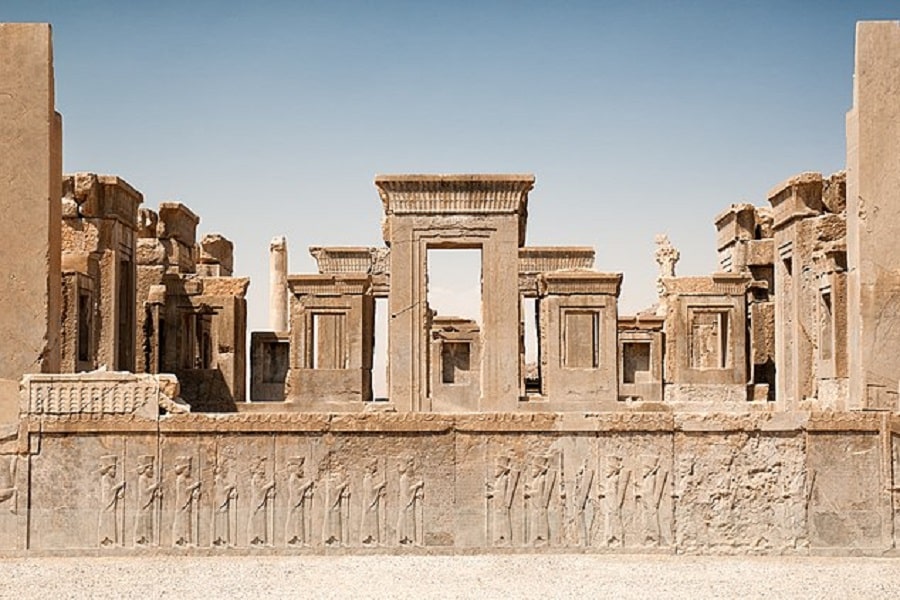
Period: 550 B.C. – 331 B.C.
Original Location: Egypt in the west to Turkey in the north, through Mesopotamia to the Indus River in the east
Current Location: Modern-day Iran
Major Highlights: Royal road
A series of kings forged the Persian Empire. The first, Cyrus II, started a tradition of conquering new lands. From 550 B.C. to 331 B.C., this royal hobby of collecting new territories granted the Persians the largest empire recorded in ancient history.
Their land included modern-day Egypt, Iran, Turkey, Northern India, and regions inside Pakistan, Afghanistan, and Central Asia.
The culture left behind great ruins, intricate metalworks, and invaluable golden treasures. Interestingly, they practiced “Zoroastrianism,” which remains one of the oldest religions still practiced today.
The tolerant belief system was likely the reason why Cyrus II was unusual for his time — choosing to treat his defeated enemies with respect instead of brutality. A later king, Darius I (father of the movie-famous Xerxes I, from the film 300), created the jaw-dropping Royal Road, a network that reached from the Aegean Sea to Iran and connected several cities through 2,400 kilometers (1,500 miles) of paving.
The Royal Road helped to establish an express mail service as well as control over a vast territory. But, unfortunately, it was also what brought Persia’s doom.
Alexander the Great from Macedonia used the convenient roads to trot along, conquering the Persians who were financially exhausted from the suppression of revolts among their captured states. Alexander was met with fierce resistance, but knuckled Persia into submission and ended its long and brutal reign.
The Ancient Greek Civilization (2700 B.C. – 479 B.C.)
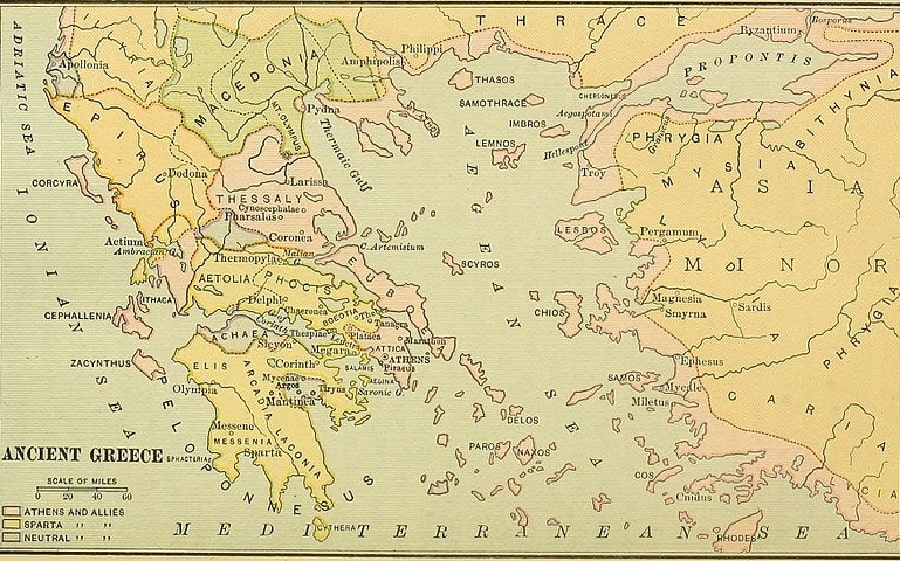
Period: 2700 B.C. – 479 B.C.
Original Location: Italy, Sicily, North Africa, as far west as France
Current Location: Greece
Major Highlights: Concepts of democracy, the Senate, the Olympics
One of history’s most well-known and unforgettable cultures flowed first from farmers. During the time of the Greek Dark Ages, only a few villages toiled the earth; by the time Ancient Greece was in full swing in 700 B.C., these villages had buffed up into entire city-states.
Competition led to searching out new land, and in doing so Greece spread 1,500 city-states all the way from the Mediterranean to Asia Minor (modern-day Turkey), and from the Black Sea to North Africa.
The ancient Greek civilization was one of pure invention — they polished the concepts and theories of art, science, technology, and literature; they planted the seeds for democracy, the American Constitution, and governments driven by the idea of freedom in the world around.
The Grecian era also gave us theatre and Homer’s epic poems, Iliad, and Odyssey. Best, and most famous of all, it gave us the Olympic Games, as, starting around 776 B.C., athletes competed for the ultimate prize — a wreath of olive leaves, known as a “kotinos” (back then, earning a crown of foliage and wearing it to honor the gods was a big deal).
READ MORE: Ancient Greece Timeline: Pre-Mycenaean to the Roman Conquest
The terrible fates of most great civilizations of the past were brought about by themselves or by others looking to destroy them. The ancient Greeks were a rare exception.
Their archaic period didn’t end with blood and fire; instead, around the year 480 B.C., the era evolved into the spectacular Classical Age — a time that rocked architectural and philosophical thinking until 323 B.C.
READ MORE: Ancient Sparta: The History of the Spartans
READ MORE: The Peloponnesian War
READ MORE: The Battle of Thermopylae
The Chinese Civilization (1600 B.C. – 1046 B.C.)
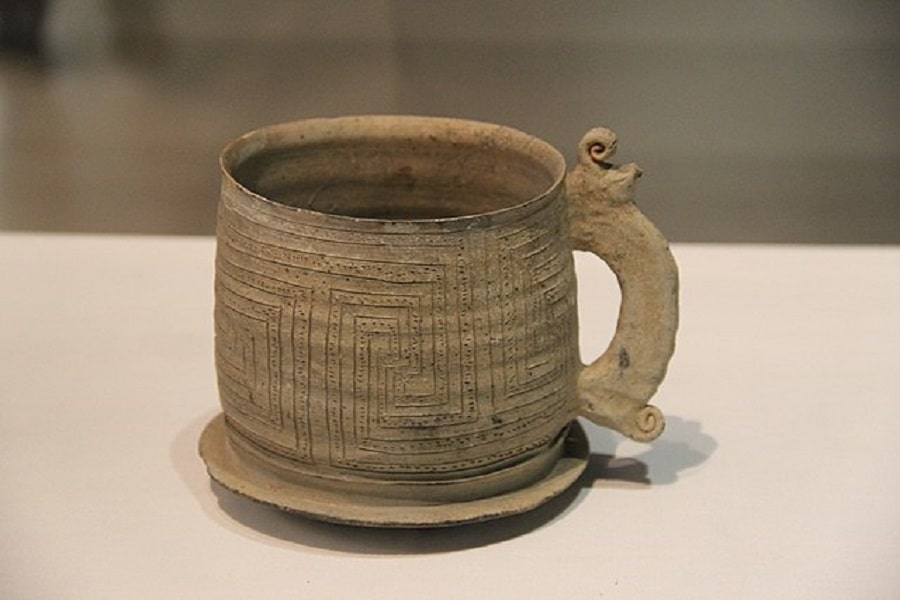
Period: 1600 B.C. – 1046 B.C.
Original Location: Yellow River and Yangtze region
Current Location: Country of China
Major Highlights: Invention of paper and silk
China’s immense historical status is nothing new; for thousands of years, the civilization’s trademark was to do things big and with flair. But most beginnings are humble, and China is no exception.
First starting with small neolithic villages scattered across the vast landscape, from this cradle came the famous dynasties that first sprouted along the Yellow River in the north.
Ancient Chinese culture wove the first silk and pressed the first paper. Nifty fingers built the original maritime compass, the printing press, and gunpowder. And just for extra measure, the Chinese also invented and perfected porcelain-making, a thousand years before European craftsmen figured out their secret.
It was domestic problems that tipped the first domino to their downfall. Imperial in-fighting led to wars that axed the Shang Dynasty in the year 1046 B.C., leading to the close of the era during which China’s ancient culture rose to sparkling heights.
But despite the end of this remarkable chapter in history, the Chinese nation still continues as the world’s longest-lasting civilization.
The Mayan Civilization (2600 B.C. – 900 A.D.)
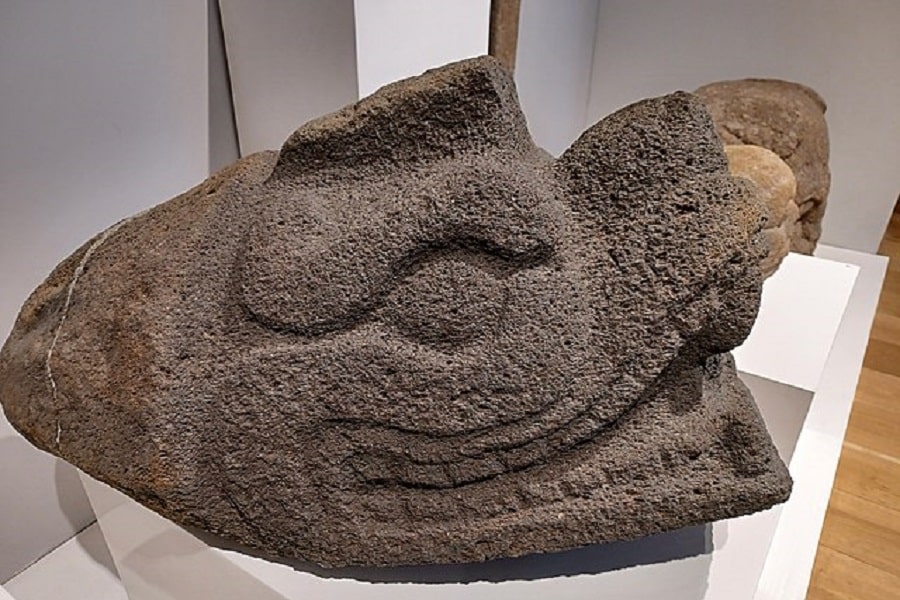
Period: 2600 B.C. – 900 A.D.
Original Location: Around present-day Yucatan
Current Location: Yucatan, Quintana Roo, Campeche, Tabasco, and Chiapas in Mexico; south through Guatemala, Belize, El Salvador, and Honduras
Major Highlights: Complex understanding of astronomy
The Mayan presence in Central America is thousands of years old, but archaeologists like to pin the culture’s real beginnings on the Preclassic period. Around the year 1800 B.C. marked the moment that hunters and gatherers decided to settle down and build permanent homes.
The first villages were incredibly successful at farming and would go on to seed the Maya throughout their large territory.
The ancient Mayan Empire was filled with wonders — tall temples that almost touched the sky; an unusual calendar that counted millions of years; incredible astronomical understanding; extensive record keeping.
Several cities had unique trademarks such as pyramids, grand tombs, and detailed hieroglyphs splashed over everything. The Maya reached artistic and intellectual heights never seen before in the New World, but despite these civilized achievements, the culture wasn’t all unicorns and rainbows — they loved the pastime of human sacrifice, and unleashing warfare on their own people.
Inner conflict, drought, and their conquest by the Spanish in the 16th century all conspired to boot this stunning civilization straight off a metaphorical cliff.
The culture perished under the pressure to convert to Christianity and from the rampant spread of European diseases, but the Maya themselves never went completely extinct, as millions of their descendants exist across the world today and continue to speak several Mayan languages.
The Ancient Egyptian Civilization (3150 B.C. – 30 B.C.)
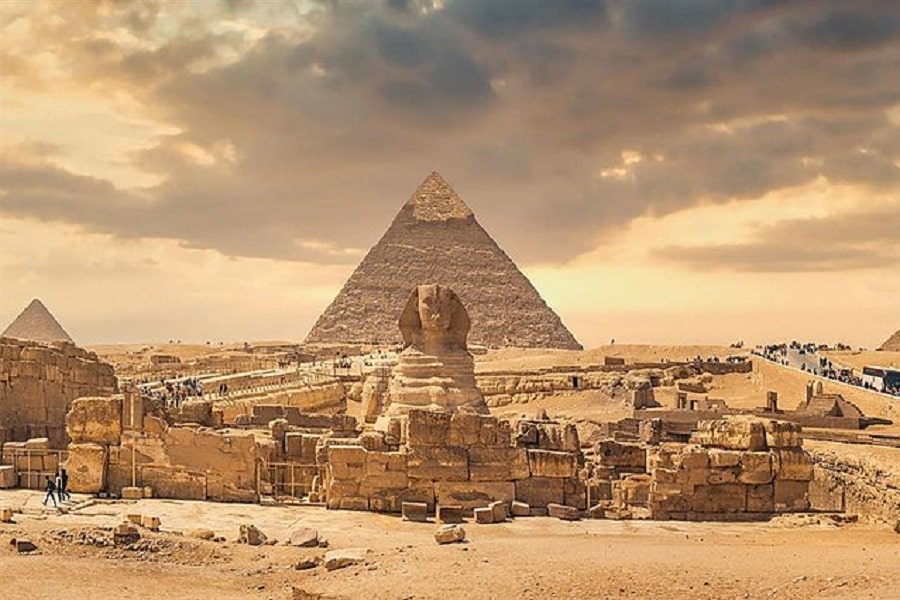
Period: 3150 B.C. – 30 B.C.
Original Location: Banks of the Nile
Current Location: Egypt
Major Highlights: Construction of pyramids, mummification
Prehistoric humans came upon the Nile — a lush green oasis surrounded by hot deserts on all sides — and liked what they saw. Settlements mushroomed alongside the river, and the earliest agricultural villages date back 7,000 years, setting the scene for the country of Egypt that still exists today.
READ MORE: Egyptian Gods and Goddesses and Prehistory: Paleolithic, Mesolithic, Neolithic Periods, and More
The Ancient Egyptians are synonymous with pyramids, mummies, and pharaohs (sometimes all at once), but there exist two more cornerstones of Egyptology — the culture’s distinctive art and a crowd of gods possessed by a rich mythology.
And, in 1274 B.C., Pharaoh Ramses II ended a bloody 200-year-old conflict with the Hittites when the two kingdoms agreed to be allies, signing one of the world’s first peace treaties.
The kingdom of Ancient Egypt disappeared slowly, its layers stripped away one by one. Starting with several wars that tore down its defenses, the invasions began and each wave erased more and more of the ancient civilization’s ways.
The Assyrians weakened Egypt’s military and economy. Greek letters replaced hieroglyphics. The Romans effectively ended the pharaohs. The Arabs grabbed the country in 640 A.D., and by the 16th century, the Egyptian language had been completely replaced with Arabic.
READ MORE: Ancient Egyptian Weapons: Spears, Bows, Axes, and More!
The Norte Chico Civilization (3,000 B.C. – 1,800 B.C.)
Period: 3,000 B.C. – 1,800 B.C.
Original Location: Peru
Current Location: Andean Plateau along Peru’s west coast
Major Highlights: Monumental architecture
This culture is a riddle. As if by magic, they suddenly appeared around 3,000 B.C. and settled along a dry and hostile strip of land. This Andean plateau in north-central Peru, called Norte Chico, gave the culture its name, and despite the harsh, arid conditions, the civilization flourished for 1,200 years.
The Norte Chico people were able to succeed without writing, and no evidence has been found to indicate social classes. But their ability to arrange massive pyramids, houses, and plazas around their temples suggests that the civilization enjoyed some kind of government, bountiful resources, and trained workers.
A typical trademark of many ancient cultures is pottery and art, but this unique society has never produced a single shard that’s been found, nor did they seem inclined to pick up a paintbrush. Very few artifacts have been left behind, so almost nothing is known about the daily lives of these people.
Incredibly, they created around 20 settlements, which were among the largest cities of their day. Plus, the Norte Chico’s architecture was so monumental, precise, and well-planned that later cultures, including the Inca, unashamedly poached a few ideas from them to use in their own societies.
The Norte Chico’s silence and lack of leftover evidence hide what happened to them and the reasons they waved their cities goodbye, vanishing. Historians might never solve the origins of this plucky group.
The Danubian Culture, or Linearbandkeramik Culture (5500 B.C. – 3500 B.C.)
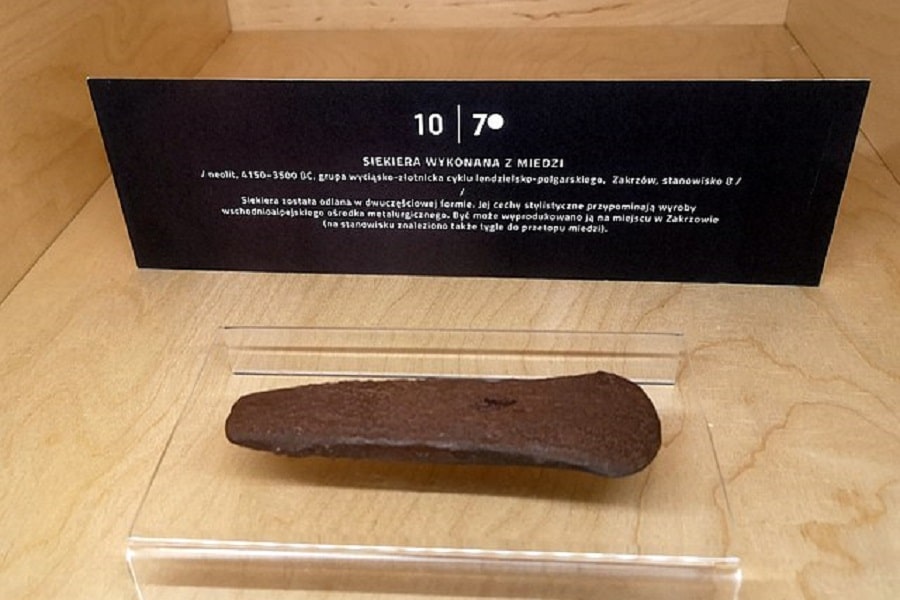
Period: 5500 B.C. – 3500 B.C.
Original Location: Europe
Current Location: Lower Danube Valley and the Balkan foothills
Major Highlights: Goddess figurines and gold artifacts
Past the dazzling empires of Rome and Greece, further back into history than the pyramids and temples of the Nile, there awaits a gem — a nameless civilization from around 5,500 B.C. that grew from thousands of graves and many settlements, near the Balkan foothills and the Lower Danube Valley.
Over the next 1,500 years, this civilization, known as the Danubian culture, raised towns with thousands of homes and shone as perhaps the most advanced society in the world during its time.
One of its most known habits was that of creating “goddess” figurines. The purpose of the terracotta statues remains unsolved, but historians speculate that they likely celebrated female strength and beauty.
And contrary to what today’s modern hands might do, this society also cast the gold into graves; one of the civilization’s largest and oldest gold caches, around 3,000 pieces, was found in one of its cemeteries.
The Danubian’s striped pottery prompted a witty German to refer to the culture as “Linearbandkeramik,” (very creatively meaning “Linear Pottery Culture”), and the title, abbreviated to “LBK,” stuck.
All that remains of the Danubian demise is a vague footnote, but what is known is that, across two centuries, desperate events collided with their civilization.
Mass graves that no one knows the cause of started to appear in settlements around the same time that this remarkable community began to disappear.
The Mesopotamian Civilization (6,500 B.C. – 539 B.C.)
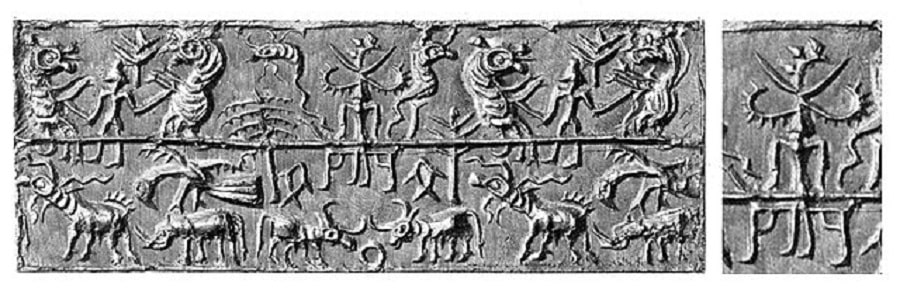
Period: 6,500 B.C. – 539 B.C.
Original Location: Northeast by the Zagros Mountains, southeast by the Arabian Plateau
Current Location: Iraq, Syria, and Turkey
Major Highlights: First civilization in the world
Meaning the “Land Between Rivers” in ancient Greek, Mesopotamia was a region — not a single civilization — and several cultures benefited from the fertile lands that today include southwest Asia and swathes along the eastern Mediterranean ocean.
The first lucky people arrived in 14,000 B.C. and flourished between the rivers Tigris and Euphrates. For thousands of years, Mesopotamia was prime real estate, and every surrounding culture and group wanted it.
Putting aside the invasions and the many conflicts that followed, the fruitful soil of the region allowed those who settled in Mesopotamia to reach levels beyond mere survival, using it to rise to their full potential.
Mesopotamia is credited with the beginnings of human civilization and many things that would change the world — the invention of time, the wheel, mathematics, maps, writing, and sailboats.
READ MORE: Who Invented Math? The History of Mathematics
The Sumerians, one of the first human civilizations, were the first to build. After dominating for nearly 1000 years, they were conquered by the Akkadian Empire in 2334 B.C. who, in turn, fell to the Gutian barbarians (a group that steered like a drunk monkey and nearly caused the entire empire to crash and burn).
Mesopotamia changed hands several times, from the Babylonians to the Hittites, swinging from peace to war and then back again. Despite this, the regional culture was able to develop its own flavor — with hallmarks such as using clay tablets for record-keeping and communication, known as “cuneiform” writing — before everything was snuffed out of existence by the Persians when they seized Mesopotamia in 539 B.C.
READ MORE: Enki and Enlil: The Two Most Important Mesopotamian Gods and The 10 Most Important Sumerian Gods
The Indus Valley Civilization (2600 B.C. – 1900 B.C.)
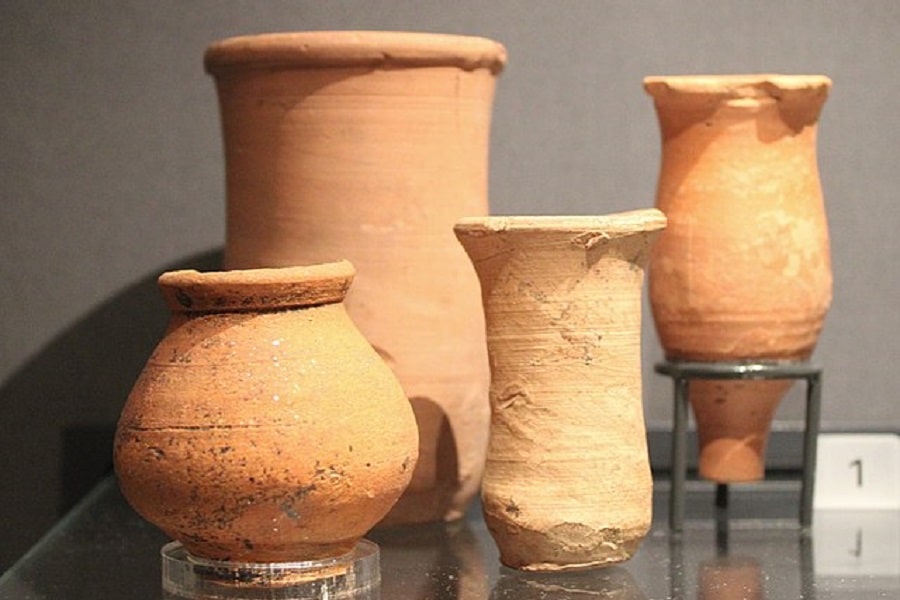
Period: 2600 B.C. – 1900 B.C.
Original Location: Around the basin of the Indus river
Current Location: Northeast Afghanistan to Pakistan, and Northwest India
Major Highlights: One of the most widespread civilizations in history
In the 1920s, somebody noticed “old-looking” artifacts near the Indus River, and what started as a single discovery of a small memory led to uncovering of the surprisingly big Indus Valley civilization.
With a territory that stretched 1.25 million square kilometers (nearly 500,000 square miles), it reached a thousand settlements throughout modern Pakistan, India, and Afghanistan.
Conflict typically arises when people clump together in large societies, but where archaeologists fully expected to find signs of warfare in a civilization this big, there wasn’t a single mangled skeleton, any burnt buildings, or evidence that the Indus people raided other nearby cultures.
Or even that they practiced inequality, racial or through social class, amongst themselves. In fact, for 700 years, the civilization prospered without armor, defensive walls, or weapons. Instead, they enjoyed plenty of food, big spacious cities, modern-looking streets with drains, and sewage systems that kept the cities clean.
Natural resources made them wealthy enough to achieve this, and they lived in peace due to their neighbors preferring to trade for Indus specials like copper, timber, and semi-precious stones.
And though the other cultures that surrounded them were too distracted by their own internal power struggles to take these treasures by force, it would be a mix of human and natural factors — invaders from Central Asia and climate change — that would strangle the Indus culture in the end.
The Jiahu Culture (7,000 B.C. – 5,700 B.C.)
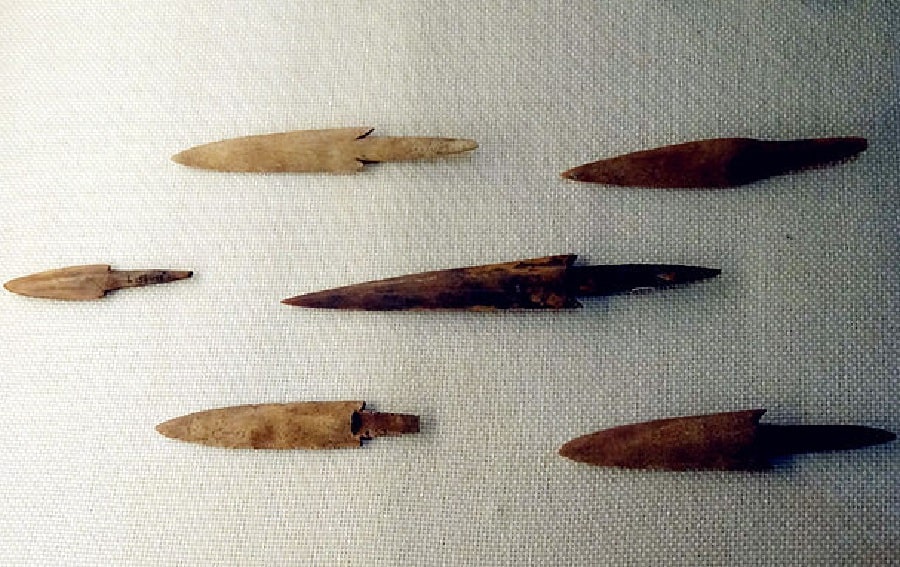
Period: 7,000 B.C. – 5,700 B.C.
Original Location: Henan, China
Current Location: Henan Province, China
Major Highlights: Bone flutes, the earliest example of Chinese writing
Before China’s great dynasties, small neolithic villages formed the roots of their great civilization. The oldest of these settlements was found near the town of Jiahu, in today’s Henan Province of Eastern China.
Several buildings, including more than forty homes, gave the Jiahu culture the title of China’s first and oldest identifiable civilization.
The culturally rich village has, in all likelihood, heavily influenced the development of Chinese civilization. Dating back 9000 years, archaeologists managed to dig up record-breaking artifacts, such as the world’s earliest wine, the oldest known working musical instruments — flutes made from the bones of birds and still sounding a decent tune — and some of the oldest preserved rice. The site also produced what could be the most ancient sample of Chinese writing ever found.
The settlement itself went under, perhaps literally, around 5700 B.C., as evidence shows that the entire area was a few feet underwater at that time.
The nearby rivers were filled enough to overflow and flood the village, triggering civilization-wide abandonment and migration toward an unknown destination.
‘Ain Ghazal (7,200 B.C. – 5,000 B.C.)
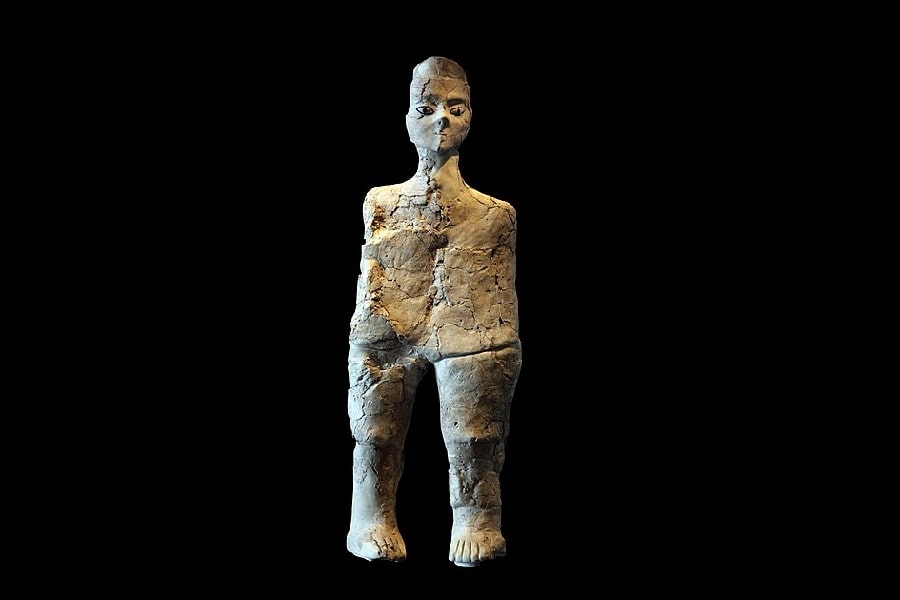
Period: 7,200 B.C. – 5,000 B.C.
Original Location: Ayn Ghazal
Current Location: Modern-day Amman, Jordan
Major Highlights: Monumental statues
Researchers get their geek on with the civilization of ‘Ain Ghazal, a name that means “the spring of the gazelle” in modern Arabic. This neolithic society is a great window into studying the human transition from a hunter-gatherer lifestyle to settling and staying in one place long enough to farm. The ‘Ain Ghazal culture boomed during this major shift and survived in what is modern-day Jordan.
The first small group swelled to roughly 3,000 citizens and went on to flourish for centuries. Their metropolis was decorated with mysterious figures made from lime plaster, including pregnant women and stylized human figures, and the inhabitants put those same types of lime plaster faces on the skulls of their dead.
As the switch was made to farming, the need for hunting lessened and they relied more heavily on their goat herds and vegetable stores.
Despite something going wrong for reasons unknown, and around ninety percent of the population packing up in a hurry to leave, this culture’s successful transition into one of the first settled civilizations has allowed researchers such as anthropologists and archaeologists — those who focus on the history of how humans grew into the modern world — to correct many assumptions about how societies evolved.
READ MORE: How Long Have Humans Existed?
The Çatalhöyük Settlement (7500 B.C. – 5700 B.C.)
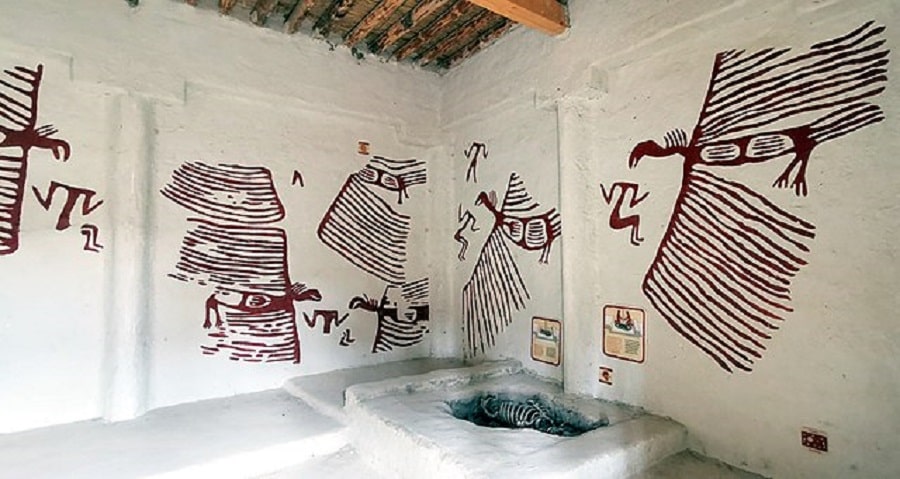
Period: 7500 B.C. – 5700 B.C.
Original Location: Southern Anatolia
Current Location: Turkey
Turkey is home to the world’s most well-known Stone-Age city. Its name comes from a blend of the Turkish words meaning “fork” and “mound,” the builders of Çatalhöyük honored the bond between a wandering people and a big river. They chose a waterway on the Konya Plain and settled in, draping their city over two hills.
Where ‘Ain Ghazal showcased the huge human shift of the gatherer-farmer transition, Çatalhöyük is the best example known to demonstrate an early urban civilization immersed in agriculture.
Their homes were unusual as they were tightly packed together and had no windows or doors — to get inside, people climbed through a hatch in the roof. The civilization also lacked grand monuments and elite buildings or areas, a surprising clue that the community might’ve been more equal than most.
The abandonment of Çatalhöyük is a missing page from a most successful story. Archaeologists have discovered that the class system likely became more divided and this eventually broke the culture down.
However, social unrest is an early and unproven suspect, as only four percent of the entirety of Çatalhöyük has been dug through and examined. The rest, buried and brimming with information, might yet reveal the city’s end in a way that cannot be disputed.
Australian Aboriginals (50,000 B.C. – Present Day)
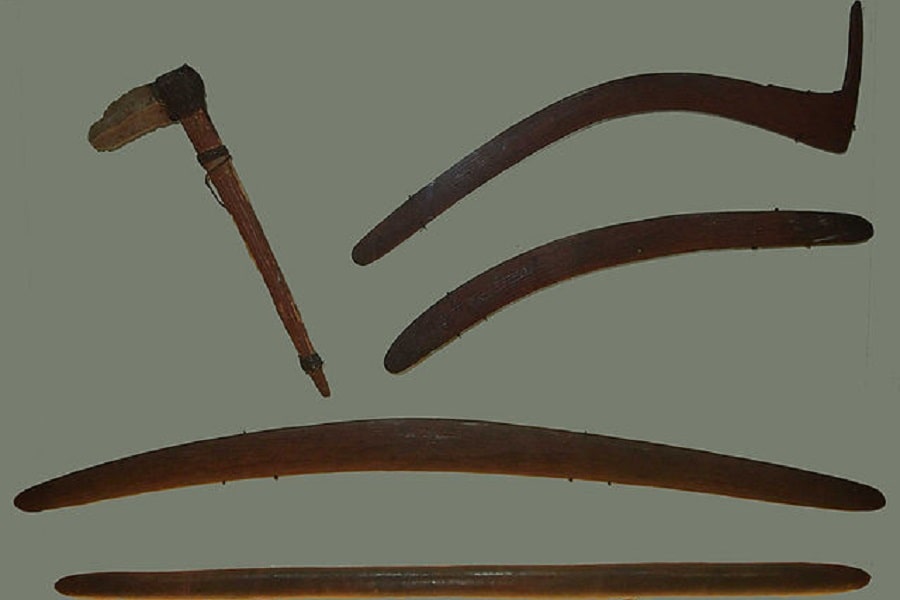
Period: 50,000 B.C. – Present Day
Original Location: Australia
Current Location: Australia
Major Highlights: The first known human civilization
The most mind-bending ancient civilization belongs to the Aboriginals of Australia. Many great empires have come and gone over the millennia, but indigenous people arrived in Australia 50,000 years ago — and they’re still standing. And, incredibly, there’s evidence that suggests they might’ve first set foot on the continent as far back as 80,000 years ago.
It is believed this ancient culture first migrated through Indonesia before settling in many areas that are widely recognised as the best places to live in Australia. With over 260 different languages and 500 dialects, they were a diverse and culturally rich collection of communities that spanned the entire continent.
The culture is famous for its “Dreamtime”, and a sentence or two can’t do this topic justice — “The Dreaming” is a concept that blankets all time; future, past, and present, and permeates every aspect of life. It’s both a creation story and a destination after death, a sort of blueprint for a prosperous life. All told, the phenomenon is as unique as the people who have gained strength and guidance from it for as long as they have existed.
Thankfully, there’s no need to explain this culture’s extinction — they still exist today! But though this is the case, throughout their history, Australian Aboriginals have faced brutal persecution that was designed to end their culture, languages, and lives.
While the nation survives and has even received an apology from Australian Prime Minister Kevin Rudd, the fight to keep their traditions alive remains a struggle.
⬖
Our world would look a lot different today if these civilizations had never existed. Their influence is in nearly every one of our modern fields, including sports, science, finance, engineering, politics, agriculture, and social development. Take those away, and how valuable our human history is — from all over the globe — quickly becomes undeniable.
Other Notable Civilizations
The history of the world doesn’t start and end with these 16 civilizations — the world has stood witness to many other groups who have come and gone over the last 50,000 years.
Here are some of those civilizations that didn’t make our list:
How can you have the oldest civilizations and not one is in africa which is where life began
You mean, like Egypt?
Life didn’t begin there. And Egypt is in Africa.
Well she does list ancient Egypt and even though most Anglo historians try to separate them, Egypt is in Africa and means ” Land of the Blacks” so the author gets credit for citing Egypt. Although she left out Kush, Nubia and the other African civilizations concurrent with Egypt.
The Çatalhöyük Settlement that is a greek territory, and if we are talking about thousands of years ago turks were nowhere near that area, so calling it turkey, its kind of a false advertisement.
I think it is talking about where it is present in current day. It didn’t say they were turks.
interesting –
What of the civilization which brought the Great Zimbabwe Ruins?
Interesting but rather incomplete!
What’s your definition of civilization? I was looking for a timeline on the Jewish civilization and given that Judaism, along with its two progeny, Christian and Islam, constitute the majority of religious affiliations in the world, I was surprised it wasn’t included here.
Sandy, I feel the same way, by my pick of bone to pick is the Dravidian, or Dravindrinath of South India, arguably the first Imperialists.
I just thank Shiva this is a matter of History, and as such will be quickly and easily settled without conflict or rancor.
Definition of civilization has be be to live in cities, the origin of the word is from civis, latin for town or city therefore, as old as their culture is, aborigines are not civilized
agree completely
Aborigines as with all humans lived in groups and therefore, would have had cities the question here is the definition of civiliazation itself biased.
I think giving so much credit to Judaism is a little bit off but yes it had a big impact. Even so, 30% 2.8B adherents now, while Islam is 25%/1.9B, securlar/agnostic/atheist at almost 16%/1.2B, and Hinduism at 15%/1.1B. Obviously Aztecs, Incas etc as well as Australian don’t share these religion origins.
Egypt IS Africa. Please consult a map.
Egypt does NOT mean land of the blacks, it means “people of the black land” referring to the rich soil of the Nile Delta.
I also wonder no reference to Nubian society since it contributed to Egyptian.
Agreed lets keep in mind that Jewish culture and religion borrowed many of their beliefs from other older cultures. For example, the stories of Adam an Eve and even Noah are found among cultures that pre date Judaism.
Further to my earlier comment, Mesopotamia would also cover Judaism as that is where it arose. Abraham lived in the town of Ur in current Iraq. Noah’s flood most likely lines up with a flood of Mesopotamia by the Tigris and Euphrates during his time as well. The Pope gave a speech at Ur earlier this year pleading for peace. Religions and civilizations are not always the same, as this article rightfully pointed out. Many civilizations absorbed the practices of those they conquered and were tolerant of different beliefs – something we should aspire to.
There is so much history in Iraq and yet so much conflict.
Gobekli Tepe, N. of Syria, 9600-7000 BCE left a 15-or-more temple complex and were perhaps the first Neolithic farmers. I read that Catal Huyuk existed in So. Central (modern) Turkey circa 7500 BCE in the Copper Age (Chalcolithic) with a population of 8000, sex equality, no streets, no government, valued children, buried their dead under buildings, and traded their pottery at least 100 miles away. Also read that biblical Jericho (9000 BCE?) probably never existed. Ed Solano
Arabs got all their learning from India because the Arab people once formed part of the Hindu Empire. This empire existed from the time of the Vedas almost to the time of Prophet Mohammad.
Encyclopaedias record that Arabs in their newly cultivated Islamic fury soon wiped out root and branch all traces of their pre-Mohammad life.
It is wrong to say that pre-Christian ancestors of Europe or Iranian about his pre-Mohammad predecessors were heathens and savages with no history.
Going to school years ago I read of Troy, only to learn that it did not exist according to notable scholars. As science began digging into sea levels and ice ages someone started looking higher up on the shorelines of Turkey … Troy did exist … maybe. My father commented to me back when that when he went to college his chemistry professor stated that there were 92 elements, but he added “that we know of.” If we close the book on dates, places, events, peoples, we are no longer being science!
Humans fundamental biological pursuit is to be ‘homeostasis’, i.e. we want to be at peace, in balance, at equilibrium even if we are not always conscious of this innate desire. It is when we found ourselves in contact with fellow humans, we realised, not all are in tune with peace and harmony? They needed to be disciplined, controlled, and trained (George Orwell’s Animal Farm!). On the subject of civilisation; civilisations come, civilisations go, but humans have failed to learn any lessons except to continue to exert/or abuse power, position and status where and when possible. Time immemorial, majority has always taken the wrong turn to control and subject the minorities.
Thank you for saying these kind words of the Australian Aboriginal people.
Believe it or not, it’s rare