Disclaimer: This article includes the use of strong language that may cause offense to some readers. This is done not as a personal expression of the writer, but as a tool to convey the challenging and oppressive nature of the environment at the time and to facilitate a fully informed discussion. If you are sensitive to the use of strong language, please proceed with caution.
Imagine being denied entry at a restaurant because it’s a “whites only” establishment.
Imagine being sent to a school with insufficient supplies and no heat,
Imagine the kids on the other side of town learning with new books in small, heated classrooms.
Imagine being forbidden from loving someone because their skin is a different color than yours.
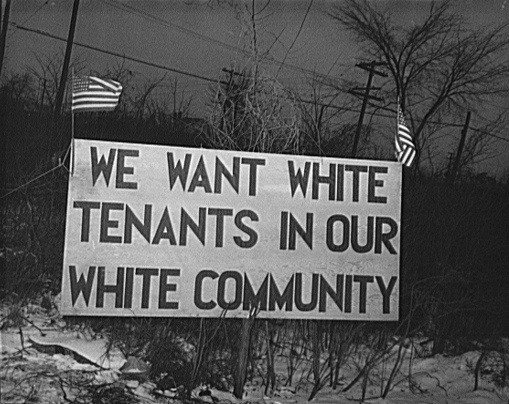
Imagine being told making love is rape, simply because he’s black and she’s white.
Imagine being beaten, or killed, simply for walking down the streets in the wrong part of town.
Imagine being told you’re less than human.
***
For many of the hundreds of millions of African Americans who have lived in the United States since colonial times until the civil rights movement, this reality need not be imagined. It is all too real.
Slavery persisted until American Civil War (1861-1865), and after it was abolished, racist institutions developed all over the country. In some cases, they were made law, giving birth to an institution known as Jim Crow that was designed specifically to maintain the second-class status of non-white Americans, most specifically, black former slaves.
The civil rights movement that took place in the 1950s and 1960s in the United States was in direct response to the injustice perpetuated by these institutions. It sought to claim the rights blacks deserved first for being human beings and second for being citizens of the United States of America.
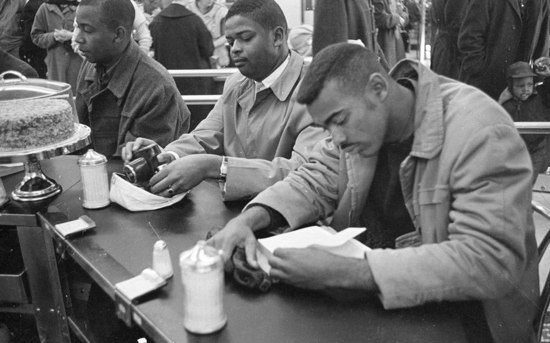
It was a movement pillared in nonviolence and focused on making real political change.
It was an effort to highlight the senselessness of the laws used to oppress black Americans.
It was an orchestrated campaign of civil disobedience designed to call nationwide attention to a problem most rampant in the American South.
It was a way to put the issues of the oppressed onto the plate of those who had the power to make change.
The results were new laws and institutions designed to undo the inequality that had become so entrenched in not only Southern society but that of the entire country.
***
One could look at this and say the civil rights movement was a success. And while it’s true it was successful in making significant changes to the American legal code that protected the rights of blacks, the United States did not solve racism in the 1950s and 1960s. Racism is something that goes much deeper.
This is evident today when we look at the persistence of hate and race crimes in our society, as well as the continued efforts to suppress the black vote in the South.
We live in a world today that’s as threatened than ever by senseless racism and ignorance. The promise offered by the civil rights movement feels lost.
But it doesn’t need to be this way.
Table of Contents
Roots of the American Civil Rights Movement: Slavery and Reconstruction
In 1790, just fourteen years after the nation’s first birthday and just three years after the writing of the US Constitution, there were 757,181 blacks in the United States, 19.3 percent of the entire nation’s population.
The United States of America started as a country where one-fifth of the population lived in bondage.
What’s more:
Of the 757,181 black people living in American during the nation’s first census, 697,624 were slaves. That’s 92 percent of the black population in America.”
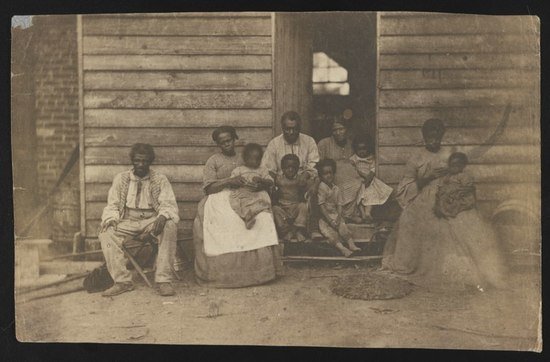
Throughout the early years of the nation, however, slavery became less popular. All but the states south of the Mason-Dixon line had abolished it, and many sought to stop the institution from expanding west along with the country. Southerns saw things differently and fought to grow slavery to new US territories and states.
This political conflict resulted in the American Civil War, which is the bloodiest conflict in US history. During the war, Abraham Lincoln issued the Emancipation Proclamation which freed slaves in the states of the Confederacy.
The 13th, 14th, and 15th Amendments
After the South was defeated, the abolition of slavery was extended to the whole country with the passing of the 13th, 14th, and 15th amendments to the Constitution.
Slavery was banned with the 13th, and the 14th guaranteed citizenship to anyone born on US soil, meaning all the recently freed slaves became official citizen and had the right to the protections provided by such status, those guaranteed by the Constitution.
Lastly, the 15th amendment explicitly prohibited governments from denying citizens the right to vote based on race or their previous status as a slave.
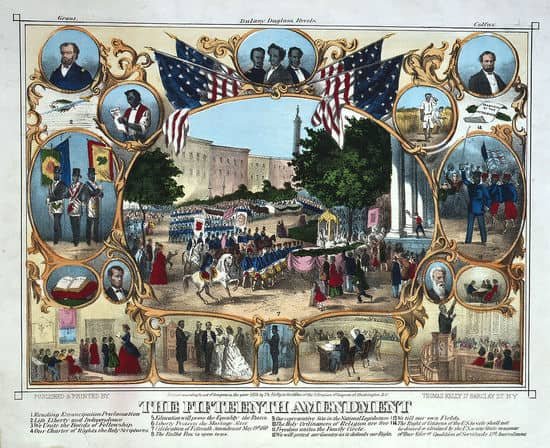
However, throughout the south, people established things such as poll taxes and literacy tests as prerequisites for voting, and since many recently freed slaves did not have the money for the tax and had never been taught to read, their vote was repressed.
Known as disenfranchisement, working to keep blacks away from the polls became a top priority for Southern whites looking to maintain the social order that had been established and maintained for so long by slavery.
But let’s not fall into the trap of thinking this is a thing of the past.
In the 2018 elections, there were widespread claims of voter repression attempts in Georgia, and disenfranchisement takes place in a much more subtle ways, such as holding elections on a working day, drawing districts to limit the impact of the black vote, and requiring ID at polling stations in areas where most residents do not have the money to acquire a Federal ID card.
This looks much different than requiring someone to pay a tax they can’t afford to be able to vote, but it has the same intention and effect.
The Establishment of Jim Crow
The freedoms granted to black Americans after the Civil War flew directly in the face of traditional Southern life; a society backboned by slavery was now forced to welcome blacks as equals. Obvious to anyone with a soul and a conscious, this was a terrifying prospect for the white supremacists of the South.
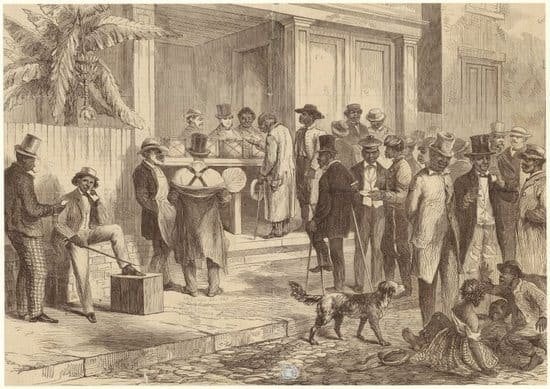
Throughout the Reconstruction Period, the era from 1865-1877 that was defined by the various attempts made to reconcile the North and the South after the American Civil War, these freedoms were directly protected by the Federal government, which sent troops to the South and oversaw elections to ensure no funny business took place.
The Federal government was responsible for protecting free and fair elections, and it was also instrumental in putting down violent radical groups who were trying to intimidate blacks and deny them their roots. The most well-known of these groups was the Klu Klux Klan, also known as the KKK.
Of course, this babysitting couldn’t take place forever, and throughout the 1870s, Democrats, the political party that fought so hard to maintain slavery and the Southern status quo, managed to gain control over state governments.
Democrats also made their way into Congress throughout the 1870s, and by 1876, they’d managed to get federal troops removed from all the southern states in which they remained.
This ended the period known as Reconstruction, but perhaps most importantly, it left Southern legislatures free to pursue racist and segregationist policies designed to keep blacks oppressed and at the bottom of the social ladder.
Plessy vs. Ferguson
After Reconstruction ended and the Democrats took control of the governments in the South, white supremacisdts began passing laws designed to segregate Southern society. These laws kept blacks and whites separate in public spaces, such as trains, businesses, parks, etc., public schools, government, and pretty much every other facet of society you can imagine.
These laws were challenged in the Supreme Court in 1896 during the case Plessy vs. Ferguson
But in this case, the Louisiana Supreme Court, and later the US Supreme Court, ruled that the state’s Separate Car Act, which was passed in 1890 and that required blacks and whites to travel on the train in different cars, did not violate the US Constitution.
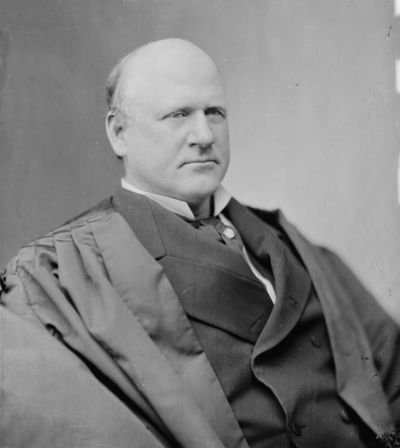
Specifically, the Supreme Court, which voted 7-1 in favor of upholding the law, said the 14th amendment, which guaranteed blacks equality in front of the law, had not been violated because the facilities provided for blacks were, although separate, equal.
This gave birth to the “separate but equal” doctrine that became the hallmark of segregation and the Jim Crow South. But more importantly, it legitimized all the laws made in the south designed for segregation. In other words, it said the United States government was cool with splitting American society in two: blacks on one side and whites on the other.
The Civil Rights Movement Begins
After the end of Reconstruction, the brief glimmer of hope given to 19th century Black Americans by the 13th, 14th, and 15th amendments was quickly extinguished. Laws and constitutional amendments separated them from society, and a violent white society harassed, abused, and often killed them.
Furthermore, practices such as sharecropping and convict lease (two systems that took advantage of most blacks’ poverty by forcing them into a work arrangement that although not legally slavery worked in much the same way), kept blacks subjugated and unable to advance themselves economically.
Things were particularly bad in the South, but racism was prevalent in all parts of America. Even in areas where there were no official Jim Crow laws, it was common for blacks to be denied the basic freedoms they were supposed to be guaranteed by the Constitution.
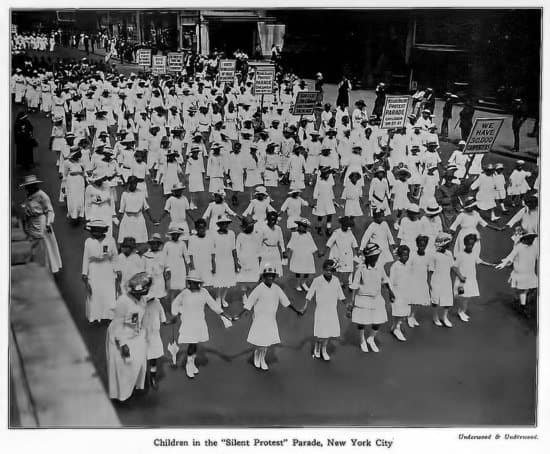
The only hope for advancing the status of Black Americans in society and securing the basic rights that should have been granted without question was to unite. The National Association for the Advancement of Colored People (NAACP) was founded in 1909 and worked both in society and in the courts to reverse Jim Crow.
Brown vs. Board of Education
While the Supreme Court, because of its decision to uphold “separate but equal” in Plessy vs. Ferguson, could be seen as partially responsible for the establishment and expansion of Jim Crow, it’s decision in the 1954 case Brown vs. Board of Education helped rewrite history and start a new chapter in American history.
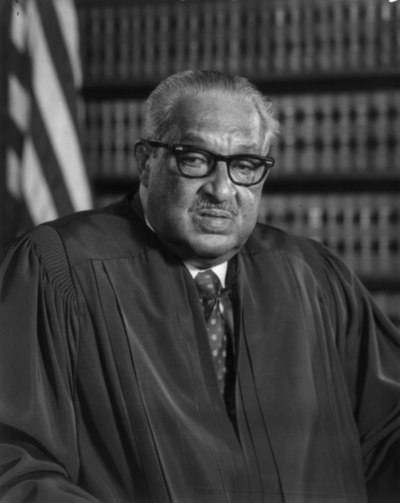
Organized by the NAACP and defended by Thurgood Marshall, a civil rights lawyer who would go on to become the first black Supreme Court justice, Brown vs. Board of Education showed that separate was in fact not equal, and this moved the courts to declare this doctrine unconstitutional.
States with segregated schools were forced to integrate, but many Southern states refused. In some cases, towns closed public schools altogether rather than integrate black and white students.
This victory in the courts gave the civil rights movement life, for schools were just one area where “separate but equal” was a load of hogwash.
The next step would be to show to the public at large the daily injustices lived by blacks throughout the country, a tactic that would allow the movement to achieve not only social but political change.
The Murder of Emett Till
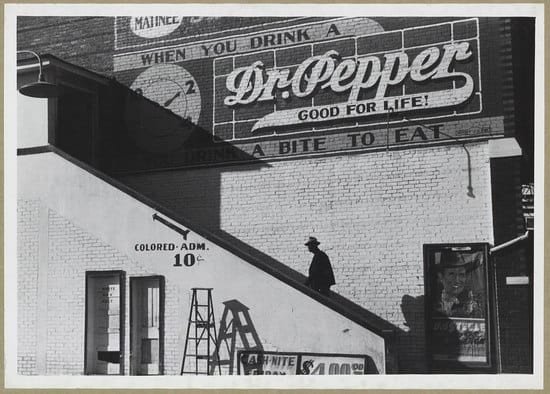
As the August sun set on Money, Mississippi in 1955, Emmett Louis Till, aged fourteen, walked into Bryant’s Grocery and Meat Market. He was in town from Chicago visiting some relatives and he entered the store with his cousin. Unaware of the invisible hand of Jim Crow in Mississippi, Till eyed the clerk behind the counter with the longing look of fourteen years of age.
Exactly what that led to remains a matter of debate. Rumors and falsehoods have mixed with truth over the years, but no matter which version of events we use, they all lead to the same result.
The store clerk’s husband, Roy, started asking around, and he got what he was looking for: someone claiming that a black boy was making eyes with his wife. So, he did what any self-respecting Southerner at the time who thought a nigger was trying something. He got his half-brother, John Miliam, to help him track the boy down, lynch him, and put a bullet in his head.
But as if the brutal murder of a young man weren’t enough, the all-white jury acquitted Bryant and Milliam for their crime. During the trial, the defendants testified that Bryant had made excessively suggestive remarks and grabbed Carolyn Bryant in an attempt to intimidate her.
It seems that was reason to kill a man in 1950s Mississippi.
Think about that:
If you were white and you killed a black person, you could get away with it if you had a good reason. Blacks were viewed as less than human in the eyes of the law. Nearly 100 years after the end of slavery, nearly nothing had changed.
Bryant later admitted to fabricating much of what Till did on the day of his death, and she expressed great regret for what had happened to him.
Till says thanks.
The American Civil Rights Movement
This was hardly the first nor the last time something like this had happened to an innocent black boy in the Jim Crow South. However, that it happened the year after Brown vs. The Board of Education, and at a time when the black population was so far past its breaking point it could not stand it one minute longer, meant this tragedy created an outrage that spurred the civil rights movement forward.
Protest after protest after protest followed in the years to come, and this put pressure on Washington to take action and finish the job it had started and abandoned in the years after the Civil War.
***
But to do this, the civil rights movement had to take on a wise strategy. People don’t like to stir things up, and while the South practiced the most outright and obvious forms of institutional racism, blacks were far from equal in other parts of the country. Disenfranchisement was practiced all around the country, and housing laws made it difficult for blacks to freely choose where they wanted to live, both in the North and the South.
Whites in the North felt their cities were being contaminated as black people moved from the oppressive Jim Crow South to the North during the first half of the 20th century, an event known as The Great Migration.
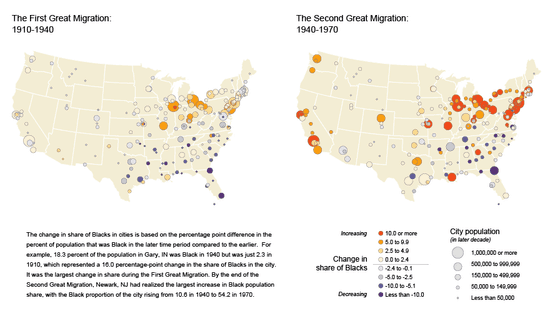
All of this meant the civil rights movement had to tread lightly. It had to show the nation the horror of living black in the South without causing so much trouble that the movement itself became a problem.
This is messed up considering what they were fighting for, but it’s how the politics were at the time.
***
The answer was non-violence.
The civil rights movement would advance its cause through peaceful protest designed to shed light on the tragic state of human rights in the United States. Through civil disobedience, the rest of the nation, and the world, would see what was happening and would spring into action and create change.
For students of history, this sounds similar to the strategy taken by Gandhi and the Indian Independence Movement. Martin Luther King, Jr., one of the civil rights movement’s most influential leaders, was an admirer of Gandhi and saw their two struggles as related. So the connections between the two are more than valid.
All of this set the scene for years of organized social action and civil protest that inspire the idealist in everyone while reminding us how easily we let ourselves believe we are different.
Montgomery Bus Boycott
On December 1, 1955, Rosa Parks, tired and on her way home from work, took a seat near the front of the bus. A normal enough move… if you’re not in 1955 Montgomery, Alabama where blacks aren’t allowed to sit in the front of the bus.
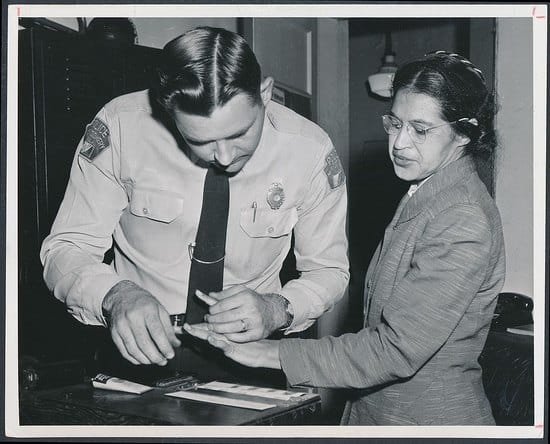
If you are in 1955 Montgomery and you do this, and a white man comes and tells you to get up and you don’t, and then the bus driver tells you to give up your seat, and you don’t, you go to jail.
For anyone who even slightly believes in the concept of human rights, this is absurd.
But it wasn’t the first time it had happened.
In fact, earlier that year, in March, Claudette Colvin did the same thing. But that was before Emmett Till, and the NAACP chosenot respond.
Yet when Parks was arrested, the civil rights movement in Montgomery activated. Parks, who was the secretary of the local NAACP chapter, along with Dr. Martin Luther King, Jr., organized a mass boycott of the Montgomery bus system. They knew this would be effective since the vast majority of the people who rode the bus in Montgomery at the time were black.
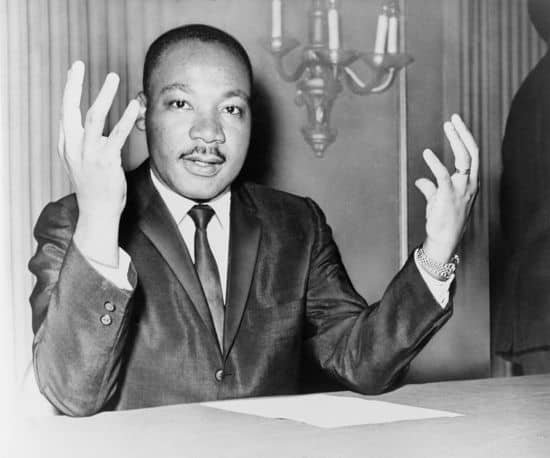
The boycott crippled the bus company, but it still took 381 days and a Supreme Court Case (Browder vs. Gayle), to change the bus company’s policy and allow blacks to sit wherever they pleased on the bus.
***
Getting the law changed was significant, but the most impressive aspect of the Montgomery Bus Boycott was the NAACP’s ability to organize and mobilize, and, even more importantly, their ability to turn that effort into real political change.
This would be the blueprint for the civil rights movement going forward, and it’s what helped launch it into the powerful wave of change it was to become.
The Little Rock Nine
The decision in Brown vs. Board of Education that “separate but equal” was unconstitutional meant that segregated schools across the country needed to integrate. In some states, this was done right away, but many others decided to respond with “Massive Resistance,” an organized movement by several Southern states to resist the Federal government’s interference with what it considered to be a state’s issue.
One state that was really taking its time with integration was Arkansas.
In the state’s capital, Little Rock, the plan to desegregate created by the school superintendent in 1957 was going to take years to implement, and it was so vague it left many civil rights activists wondering if the city actually intended to integrate.
After the plan was approved, the city government redistricted the city so that schools would essentially remain segregated. The NAACP responded by filing a lawsuit against the city.
Meanwhile, nine black students decided to enroll in Little Rock Central High School, a previously all-white high school.
Mass protests broke out as the white population sought to stop these nine black children from attending a school they had a right to attend. The state’s governor ended up calling in the Arkansas National Guard to prevent the children from entering the school.
This was clearly against federal law, and seeing his city on the brink of race war, the Little Rock mayor appealed to President Dwight Eisenhower for help. The White House responded by sending the 101st Airborne Division to protect the children as they went to school.
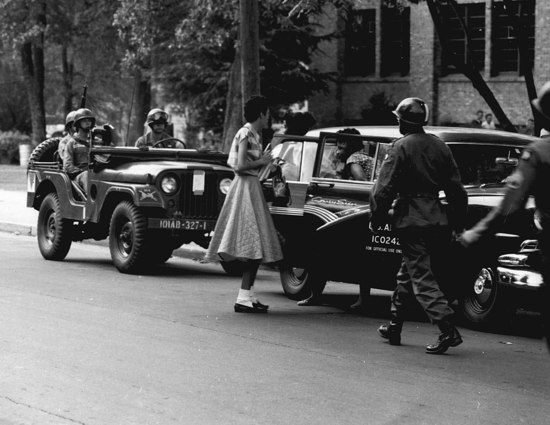
This is the same 101st Airborne Division that dropped in behind the lines at Normandy in World War II to invade France and defeat the Nazis. Just ten years later, they’re being used to help nine kids go to school.
Eventually, the Federal troops managed to quiet the protests and the kids were able to go to school. But they faced immense abuse during that year, both verbal and physical, something that would go on for years not only at Little Rock Central High School but at nearly all newly integrated schools in the South.
The Little Rock Nine, as the group of students have become known as, drew national attention. The image of troops facing off against one another over students entering a school seemed dramatic and scary (duh!) to the rest of the nation, and it provided an opportunity for the civil rights movement to make more noise and create more change.
Civil Rights Act of 1957
The events that had taken place throughout the 1950s helped turn the civil rights movement into a national issue. With the Supreme Court essentially saying segregation was illegal in its Brown vs. Board of Education ruling, and the series of protests that took place after it, the Federal government was starting to take a bigger role in the fight, something that would be crucial to the movement’s later success.
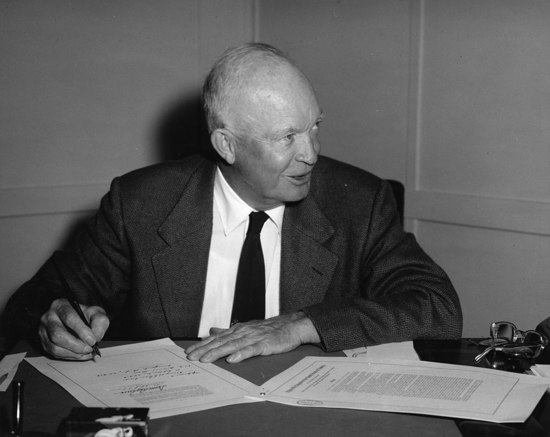
The Civil Rights Act of 1957 was the first civil rights legislation passed in Congress since 1875. It did the following:
- Establish the United States Commission on Civil Rights
- Create the United States Department of Justice Civil Rights Division
- Established laws designed to try and prevent disenfranchisement
- Made it easier for blacks to serve on federal juries.
In the grand scheme of things, the Civil Rights Act of 1957 did not do much. Language added to it before its passage made the laws targeted at disenfranchisement difficult to enforce.
However, this is a major moment because it shows a commitment by the Federal government to deal with civil rights, something it hadn’t demonstrated before.
The Sit-Ins of 1960
Although there was still a long way to go, the progress made in the 1950s by the civil rights movement inspired more action in the 1960s. One of the best examples of the protests put together by the movement are the sit-ins of 1960.
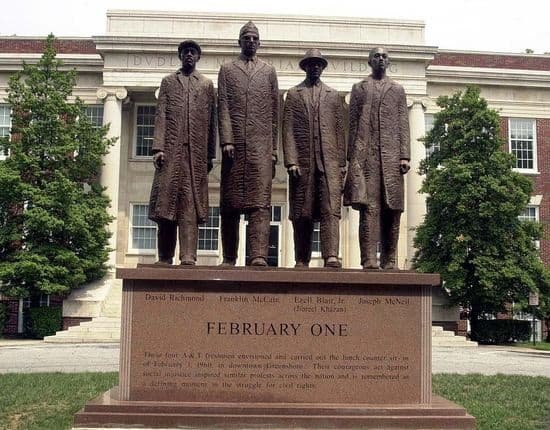
Cewatkin [CC BY-SA 3.0
Started on February 1, 1960 when four black college students went into Woolworth’s, a downtown lunch counter with a whites-only policy, and sat down at the counter to be served.
This never happened.
They were first asked to leave, then harassed, and later intimidated. But they refused to go. The police were called to escort them out, but they couldn’t because the whites-only policy was not legal.
To showcase the event, the media was called in shortly after the sit-in began to broadcast it to the nation.
The boys remained there until the restaurant closed that afternoon.
The next day, they returned with even more students.
In the coming weeks, students all over the north and the south began sitting-in wherever segregationist policies had been put in place.
“It was the perfect non-violent protest. All anyone was doing was sitting down at a lunch counter, or in a park, or a beach, or a restaurant, or a pool. And yet the white people were going nuts. The media covered the whole thing, and the nation took the side of those fighting for civil rights.”
Eventually, by the end of 1960, dining facilities across the country, including Woolworth’s, had abandoned their segregationist policies.
This was perhaps the largest protest of the civil rights movement to date, and it was a sign of things to come. The national attention the sit-ins received gave the movement even more momentum. And the sit-ins also led to the formation of the Student Nonviolent Coordinating Committee (SNCC), which would go on to be one of the key players in the civil rights movement going forward.
READ MORE:
Ruby Bridges, The Open Door Policy of Forced Desegregation
Freedom Riders
By 1961, the civil rights movement had its winning formula: Disobey segregationist policies peacefully and nonviolently and let the crazy white mobs go crazy.
But this only worked if the Federal government was willing to step in and support civil rights. And with the election of John F. Kennedy, Jr. in 1960, there was now a president in power committed to forwarding the cause of the civil rights movement.
This commitment was tested early in the Kennedy presidency when thirteen students got on a bus in Washington, D.C. on May 4, 1961. They planned to travel to New Orleans, Louisiana and perform sit-ins at the bus stations along the way that had segregationist policies. At the time, it was common for bus station bathrooms, restaurants, waiting areas, etc., were segregated, but Federal law prohibited segregation in interstate bus terminals since these were areas of interstate trade and movement.
They were attacked for the first time in South Carolina, but it was an incident that came after the group split into two that would define this protests’ significance in the overall civil rights movement.
A Greyhound bus was entering Alliston, Alabama, but the driver couldn’t stop because an angry mob had formed at the bus station and was blocking the way. The driver continued on his route, but the mob followed the bus until its tire blew out. Someone then proceeded to throw a bomb into the bus. When the passengers escaped, the mob was there waiting for them to beat each and every one of them to within an inch of their lives.
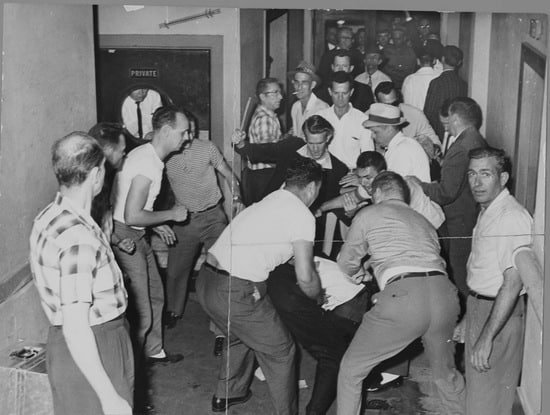
No one died. But it was brutal. The image of a bus blown out on the side of the road, and beaten black passengers doing nothing more than traveling the country, made front page news nationwide.
Ten students from Nashville volunteered to finish the Freedom Ride. But when the bus left the station, the local police abandoned it and it was immediately surrounded by another mob. The Federal government had to send 600 U.S. Marshals to put down the violence and keep the bus safe. This happened again when another bus carrying Freedom Riders left Montgomery, Alabama. The Marshals had to use teargas to disperse the crowd and make room for the bus to leave the station.
There were many more Freedom Rides throughout the summer of 1961, many of which spurred violence and led to the pointless arrest of black bus passengers. All of this forced the government to act, and they issued regulations at the end of 1961 explicitly banning segregation in interstate bus terminals.
March on Washington
More protests and violence surged throughout 1962, and by 1963, the tension was mounting. A Civil Rights bill had been put forth in Congress, but there it sat.
At the time, both the SNCC and the NAACP were planning separate marches to Washington, D.C. to protest the situation of civil rights in the country. They ended up combining their marches into one, and after securing the endorsement of President Kennedy, received police protection to ensure there was no violence.
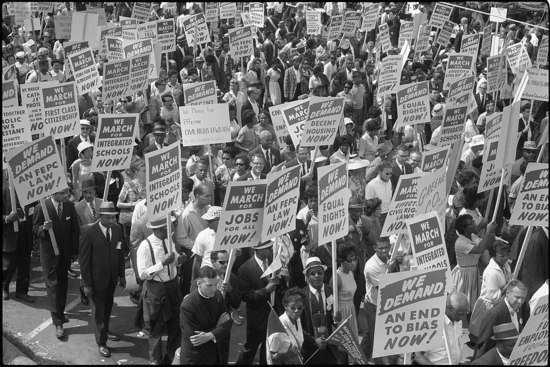
In total, some 250,000 people gathered at the Lincoln Memorial in Washington, D.C. on August 28, 1963 after performing the March on Washington for Jobs and Freedom. While there, they heard Martin Luther King, Jr. give his most well-known speech we know call, “I Have a Dream”.
It was time.
The March on Washington did not achieve any immediate political change, but it did represent a changing mood in America. The Kennedy Administration wanted civil rights. More people than ever wanted civil rights.
Freedom Summer
The fundamental pillar of any democracy is the right to vote; the right to a voice in the affairs of your government. But because of disenfranchisement – the systematic denial of a person’s right to vote -nearly the entire black population in many states had been essentially excluded from the electoral process.
So, in anticipation of the 1964 election, organizers in Mississippi put together a summer-long campaign to register as many eligible black voters as possible. Thousands of volunteers came in from both Mississippi and other states to try and raise the black voter registration rate from its nationwide low of 5.7 percent.
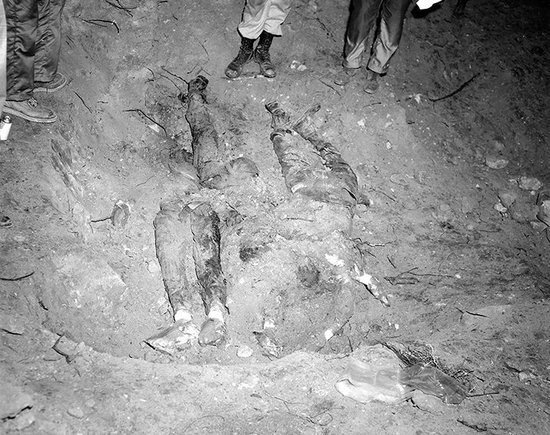
In the end, violence and a lack of support from the government prevented the project from registering many voters. But it dominated national news all summer and brought civil rights to once again to the forefront of the discussion in Washington.
The Freedom Summer also showed once again the ability of the civil rights movement to organize around a specific issue and bring it directly to national attention.
The Civil Rights Act of 1964
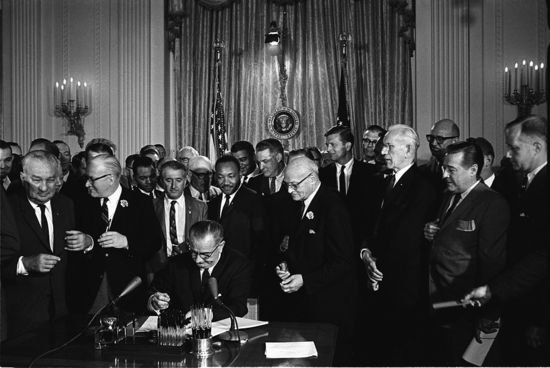
While the Freedom Summer was in full swing, the civil rights movement got enough votes in Washington to pass the Civil Rights Act of 1964. This law, signed into effect on July 2, 1964, expressly banned the segregation of public facilities and public schools and also made it illegal to discriminate based on race when considering someone for employment.
Selma and Bloody Sunday
Even after the passage of the Civil Rights Act of 1964, Southern states continued to resist the integration of their white supremacist society. In Alabama, white mobs were using violence to prevent black people from registering to vote, again, and so the SNCC and the NAACP set out to organize a protest.
They decided on a march from Selma, Alabama to the state capital, Montgomery, where they would stand in front of the governor’s office and demand their right to vote.
Upon hearing of the march, Alabama governor George Wallace ordered it to be stopped, which meant beat the hell out of the marchers until they stop, an order the police carried out without issues.
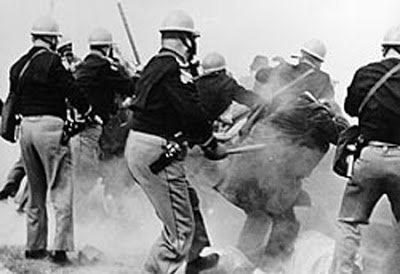
After this day of violence, often known as ‘Bloody Sunday,’ the Federal government stepped in to ensure it could continue. Courts blocked an injunction filed by the state to stop it, and Johnson sent troops to Alabama to protect marchers as they made their way to Montgomery.
The Voting Rights Act of 1965
In the wake of Selma and as a result of legal pressuring by the NAACP, Congress passed and Lyndon B. Johnson signed the Voting Rights Act of 1865. This law made illegal the many tricks
Southern states had come up with to continue to disenfranchise black voters, such as literacy tests and poll taxes.
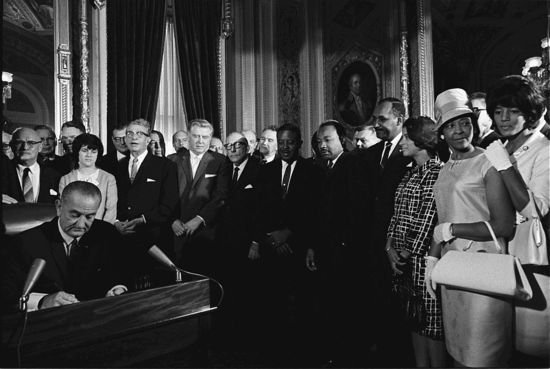
This was the law that finally made it possible for black Americans to participate in the government to which they belonged. It still took years for black voters to register and get involved, but this legislation, which came 100 years after the Civil War ended and a billion years after it should have come, dramatically reshaped American politics in the direction of equality.
Later in 1965, Lyndon Johnson also signed Executive Order 11246, which banned discriminatory hiring practices in the United States government.
Loving vs. Virginia
In 1967, the Supreme Court deemed all laws banning interracial marriage unconstitutional, a huge step in the direction of equal rights for all.
Civil Rights Act of 1968
In 1968, the civil rights movement suffered a tragedy with the assasination of Dr. Martin Luther King, Jr. As the voice of the movement, he inspired millions with his words to take action in a nonviolent way and stand up for the basic rights they deserve as human beings.
Following his assasination, riots erupted around the country in protest, out of both frustration for the remaining civil rights legislation waiting to be passed but and also sheer rage about the senseless, cold-blooded murder of such a beloved man.
President Johnson could not respond by restoring Dr. King’s life, so he did what he should have already done and pushed more civil rights legislation through Congress.
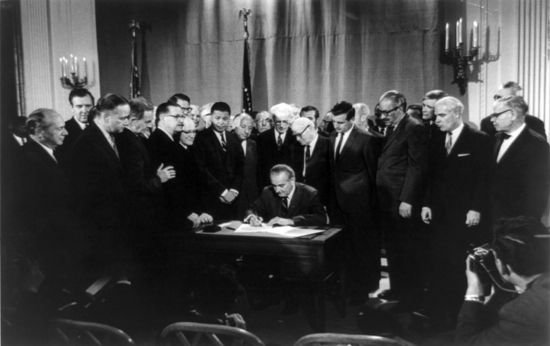
The main contents of the Civil Rights Act of 1968 guarantee basic rights to Native Americans, and it also contains new provisions for enforcing the fair distribution of housing.
This part of the law is often referred to separately as the Fair Housing Act. It prohibits discriminating based on race sex, religion, etc., when renting or selling property to a citizen of the United States.
The Civil Rights Movement in Memory
After 1968, the civil rights movement began to wind down. This is not because the issue of civil rights was complete. Instead, the movement lost prominence from the assasination of Dr. King, the rise of popular discontent with the Vietnam War, and the economic woes of the early 1970s.
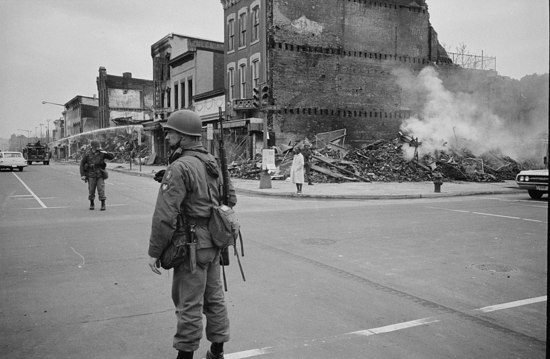
This is an important thing to remember when looking back on the civil rights movement. It was a significant step, but there’s work to be done. Racial discrimination still exists today, and although discrimination, segregation, and disenfranchisement are illegal, they still occur.
“The defense of liberty is a full-time job, and it’s even more taxing when you’re born into a world where the default is white and prejudice remains ever strong..”
We must remember the civil rights movement for its bravery and commitment to non-violence and for its commitment to equality and justice for all. But we must also remember it by continuing to dedicate ourselves to the defense of civil liberties.
READ MORE: